
As the elections approach in March, some high school students have been paying close attention to political and social matters, even if the majority of them are still a few years away from voting. Many students at Neuqua say that being far away from the ballot box has not stopped them from sharing their perspectives or making an impact within their community.
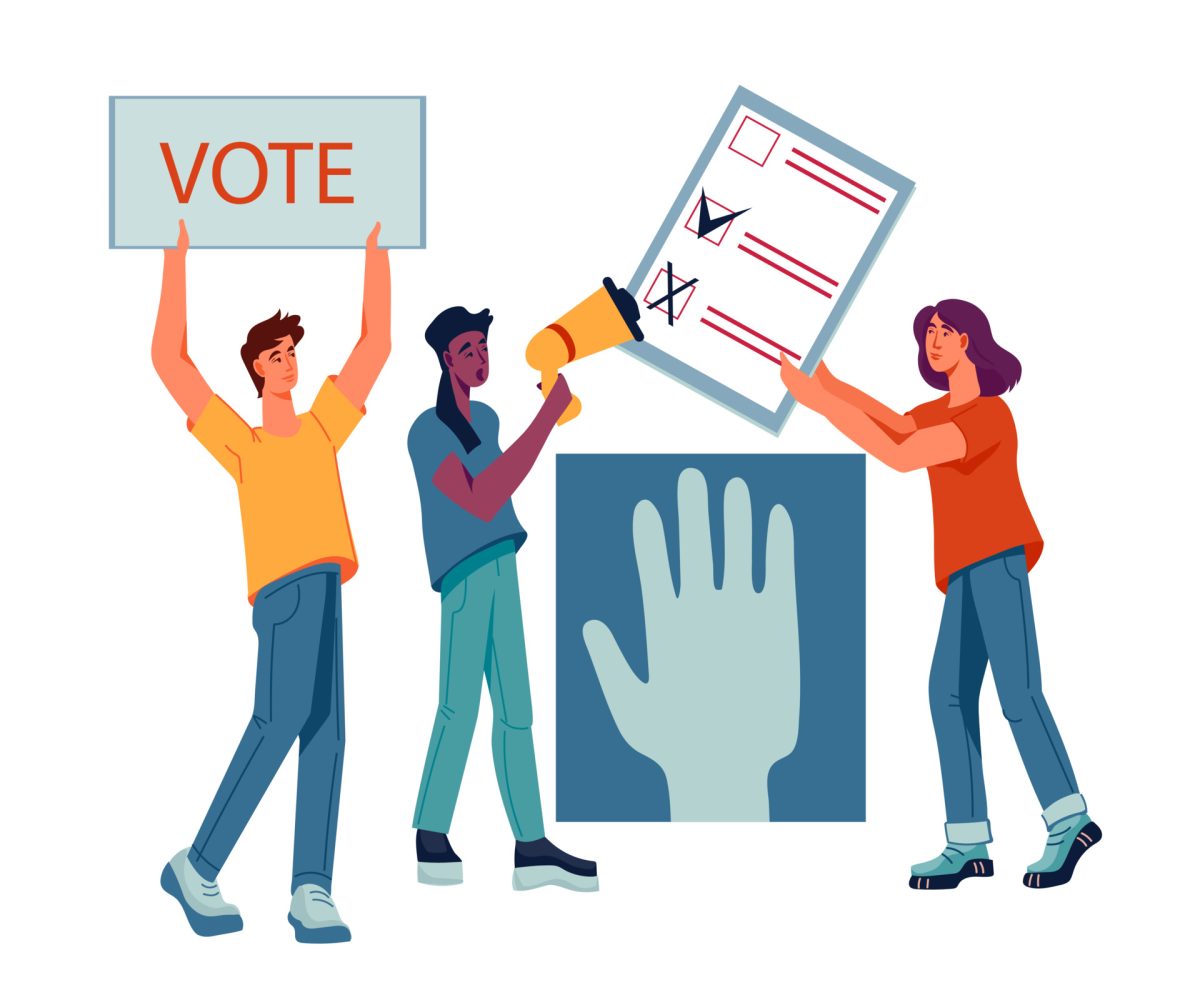
Instead, many students have been finding other ways to get involved, such as having conversations about political topics, and taking part in activism and organized events. For some, this can take the form of supporting others whose voices are not always heard.
“If I went through something difficult, I’d want someone to speak up for me,” sophomore Faith Swint said. “Everyone has the right to speak up, especially for people who can’t speak up for themselves.”
Others say that not being able to vote motivates them to be more involved regarding discussions about political matters.
“Not being able to vote actually encourages me to speak up more, junior Kassy Quelnan said. “Many of us use platforms like social media to talk about issues and advocate for change.”
Students also point out that organized events, like peaceful protests and public speeches, can bring people together for the same concerns.
Freshman Layla Ammentorp described these events as “a way for people who are all different to get together for the same cause.”
Even smaller actions, like spreading awareness online, volunteering in clubs, or conversing about current events in class can help others stay informed.
“Students who aren’t old enough can do things like making sure they get heard,” freshman Alex Manley said. “Peaceful protests and raising awareness goes a long way because if you can’t vote, you can still influence who can.”
Teachers say learning about civic involvement early can help students develop the skills they may need later in life. Human geography teacher Mr. Polanski believes that students should begin engaging with issues long before they are eligible to vote.
“It’s a common misconception that the ‘democracy’ button only activates once you turn 18,” Polanski said. “In reality, waiting until adulthood to engage with your community is a bit like trying to run a marathon without ever having gone for a run.”
For many students, engaging now is about a lot more than just elections or voting. It’s about learning how to speak up for others and important issues, and participating in one’s community, skills that will matter long after voting for the first time.